SMALLPAK
Innovations for Resilient Smallholder Production Systems in Punjab, Pakistan
The vast majority of agricultural producers in Pakistan are smallholder farmers. Although they face a wide range of challenges, such as low yields, increasing climatic and other environmental stresses, high input prices, and volatile markets, their needs and vulnerabilities are often neglected in agricultural policy. Also, national agricultural research pays limited attention to the specific challenges, perspectives, and local knowledge of smallholder farmers.
SMALLPAK therefore intends to place smallholder agriculture more firmly at the centre and to promote integrative and transdisciplinary perspectives on agricultural and food systems in both research and practice.
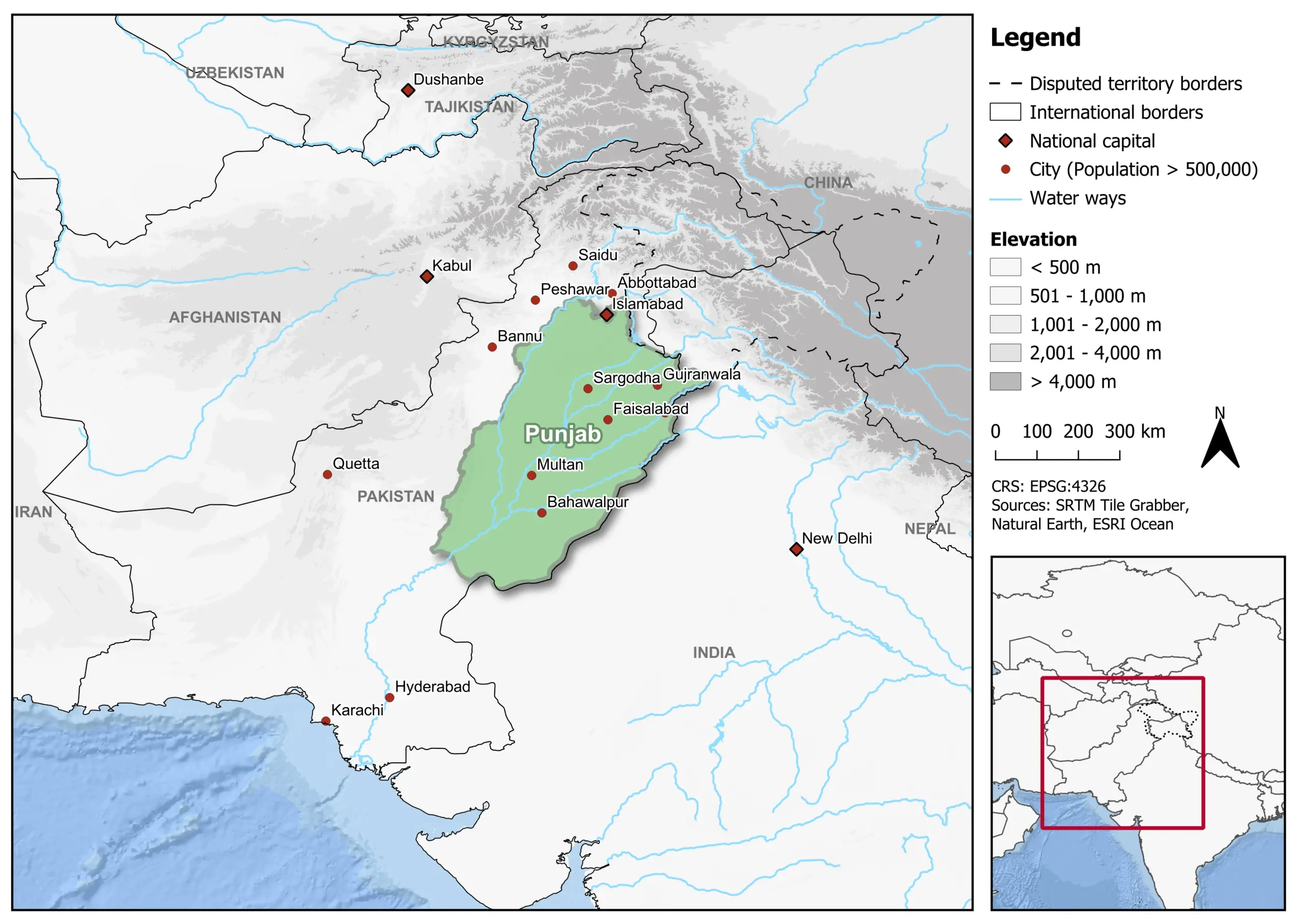
More than half of Pakistan’s rural population lives in Punjab, the province that SMALLPAK focuses on. The predominantly small‑scale farming practiced there is crucial for the country’s food security and contributes around 40% to national agricultural production.
Objective
The aim is to develop and examine locally tested, socially adapted, and ecologically sustainable innovations for smallholder production systems that can be disseminated within the region and beyond by the involved decision-makers and other actors.
SMALLPAK follows an integrative and participatory approach that involves policy makers and, most importantly, smallholder farmers themselves, from the beginning in both research activities and project design.
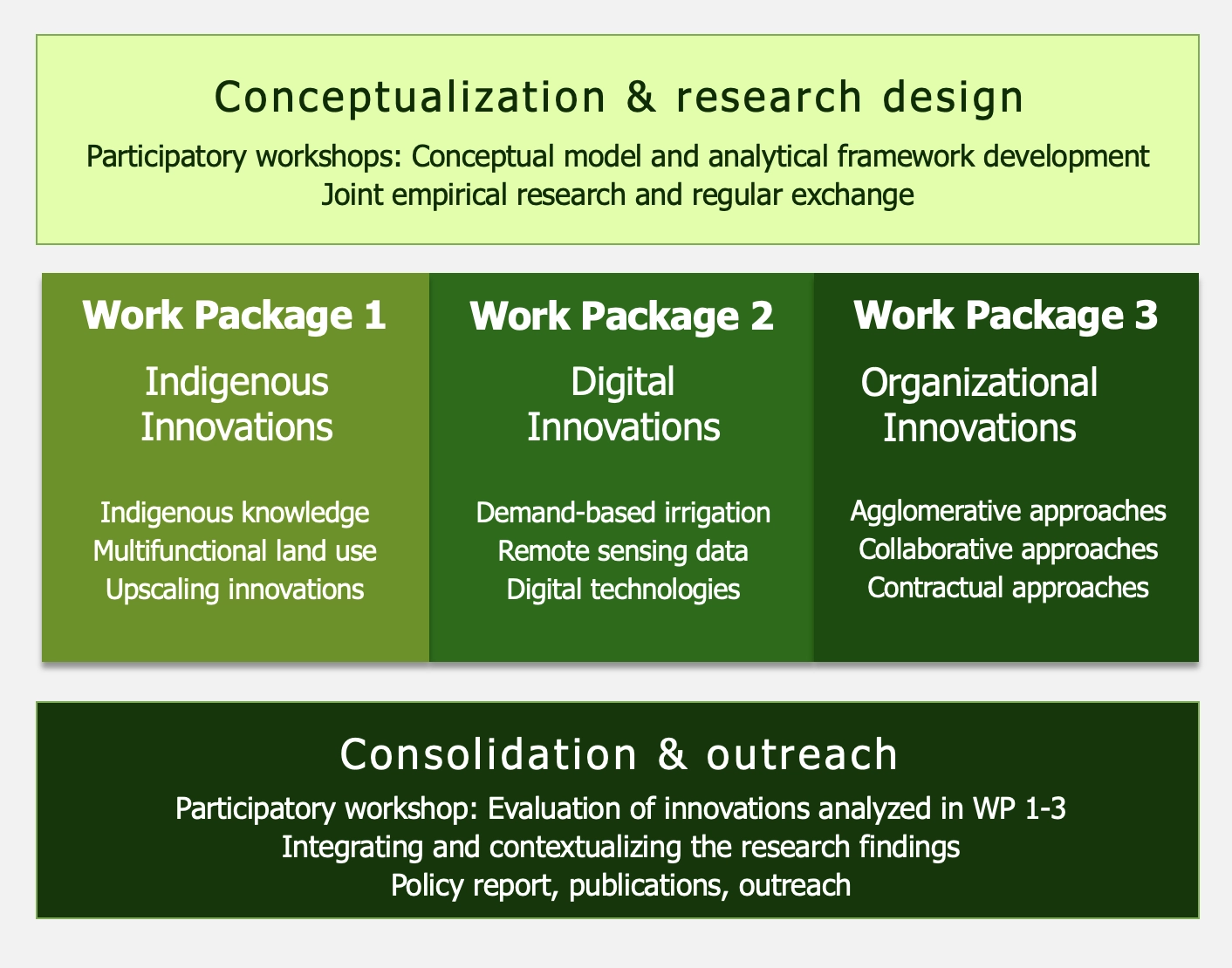
The project focuses on three core topics: (1) local innovations that emphasize multifunctionality and integrated, resilient production practices; (2) digital innovations that support smallholder farmers in enhancing their production and managing climatic and environmental risks; and (3) organizational innovations that improve smallholders’ access to markets, inputs, and knowledge through social and economic cooperation.
Funding
SMALLPAK is funded by the German Federal Ministry of Agriculture, Food, and Regional Identity (BMLEH) with a grant of 1.2 million euros. The project duration is from November 2025 till December 2028. The project is managed by the Federal Office for Agriculture and Food (BLE) within the research scheme “NIPS: Innovative Sustainable Production Systems” (Grant Number - 2822NIPS06).
Team
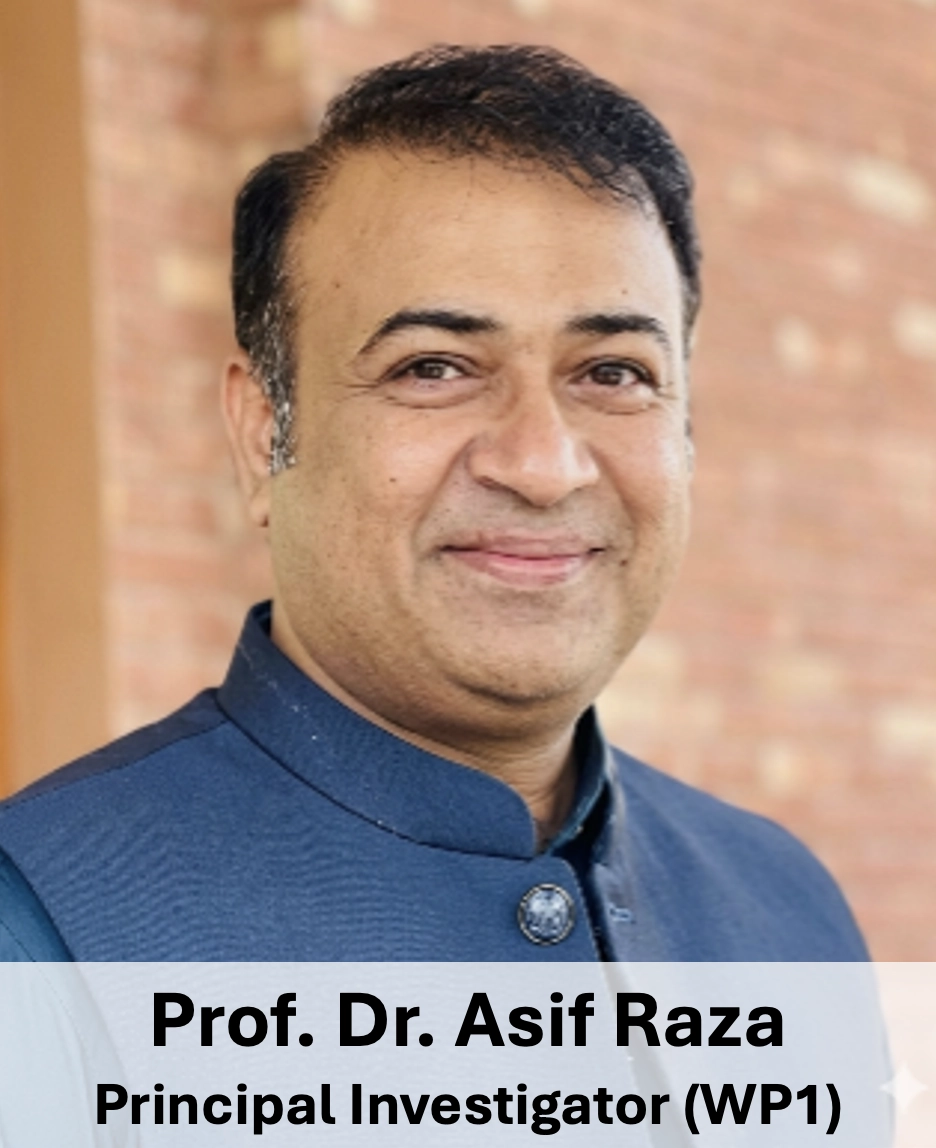
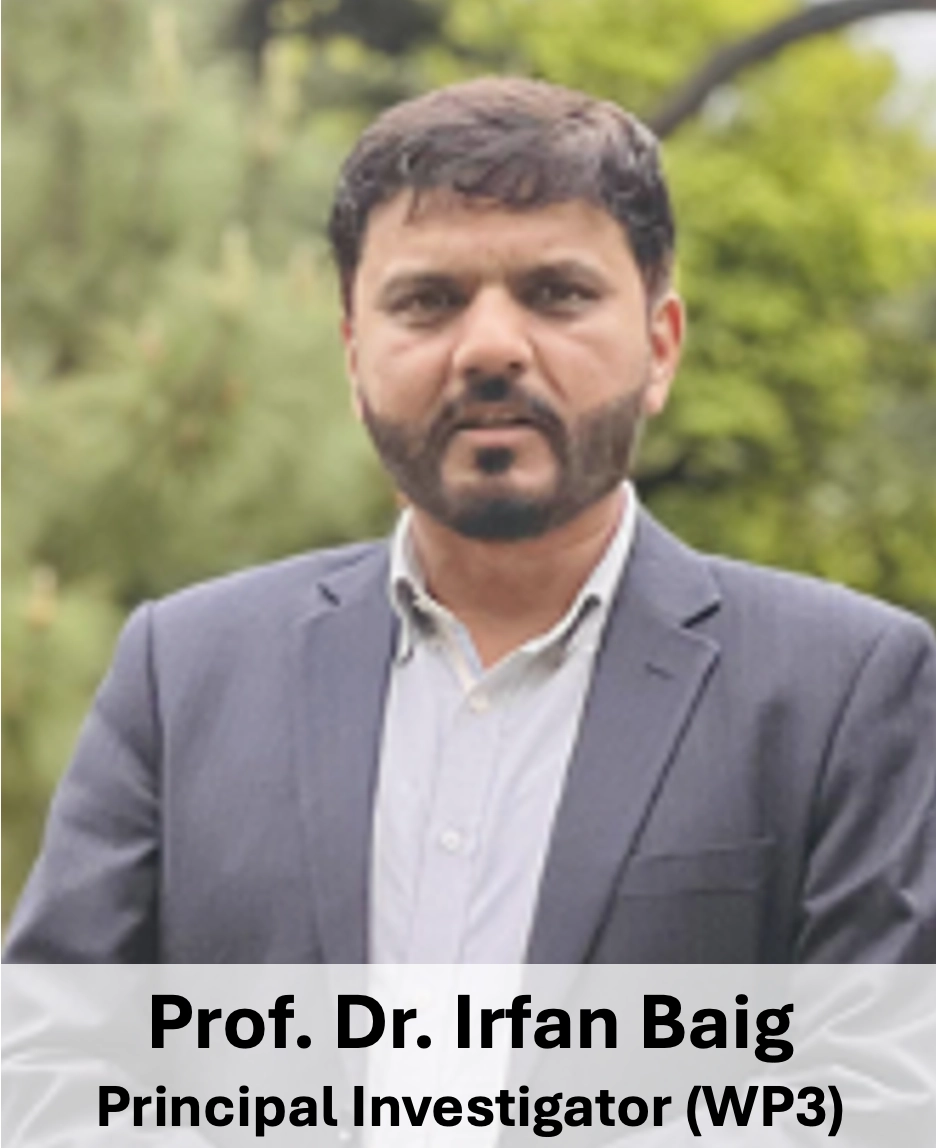
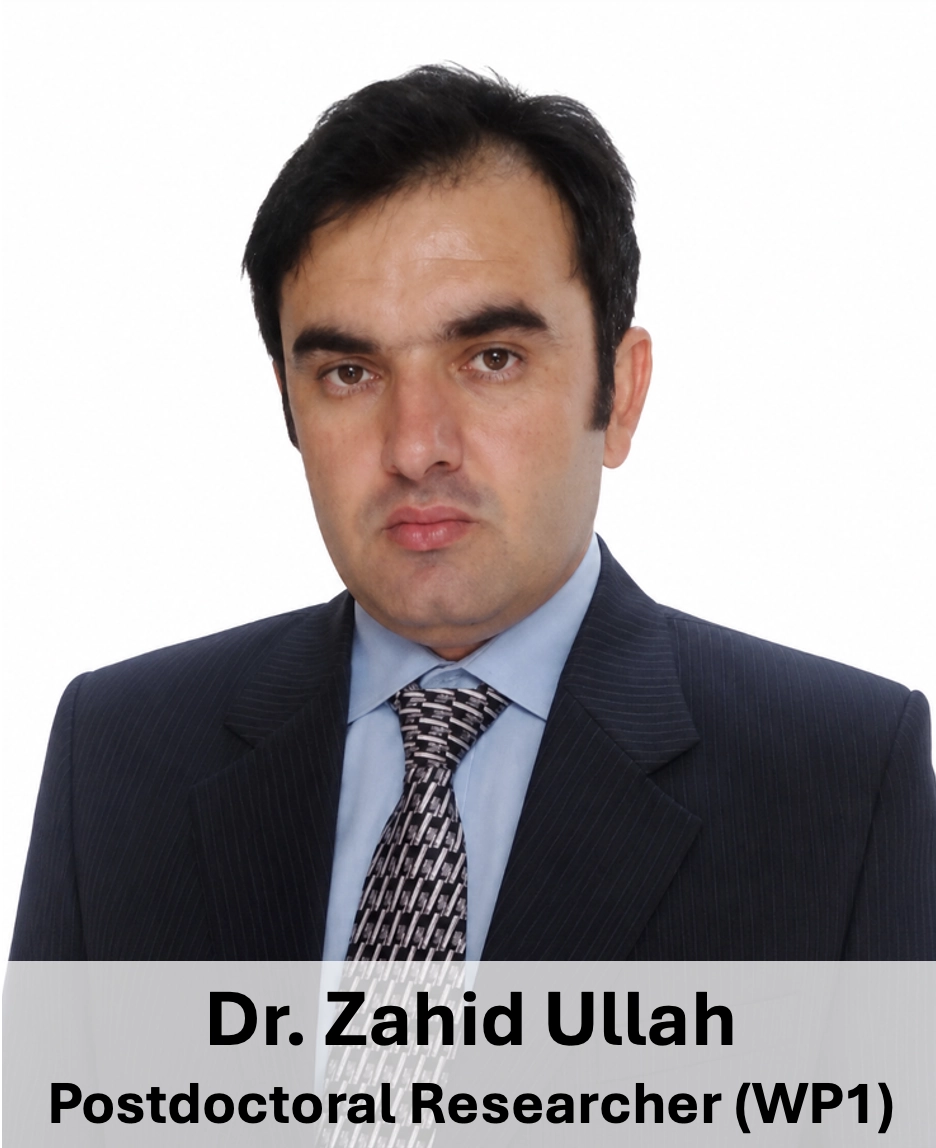

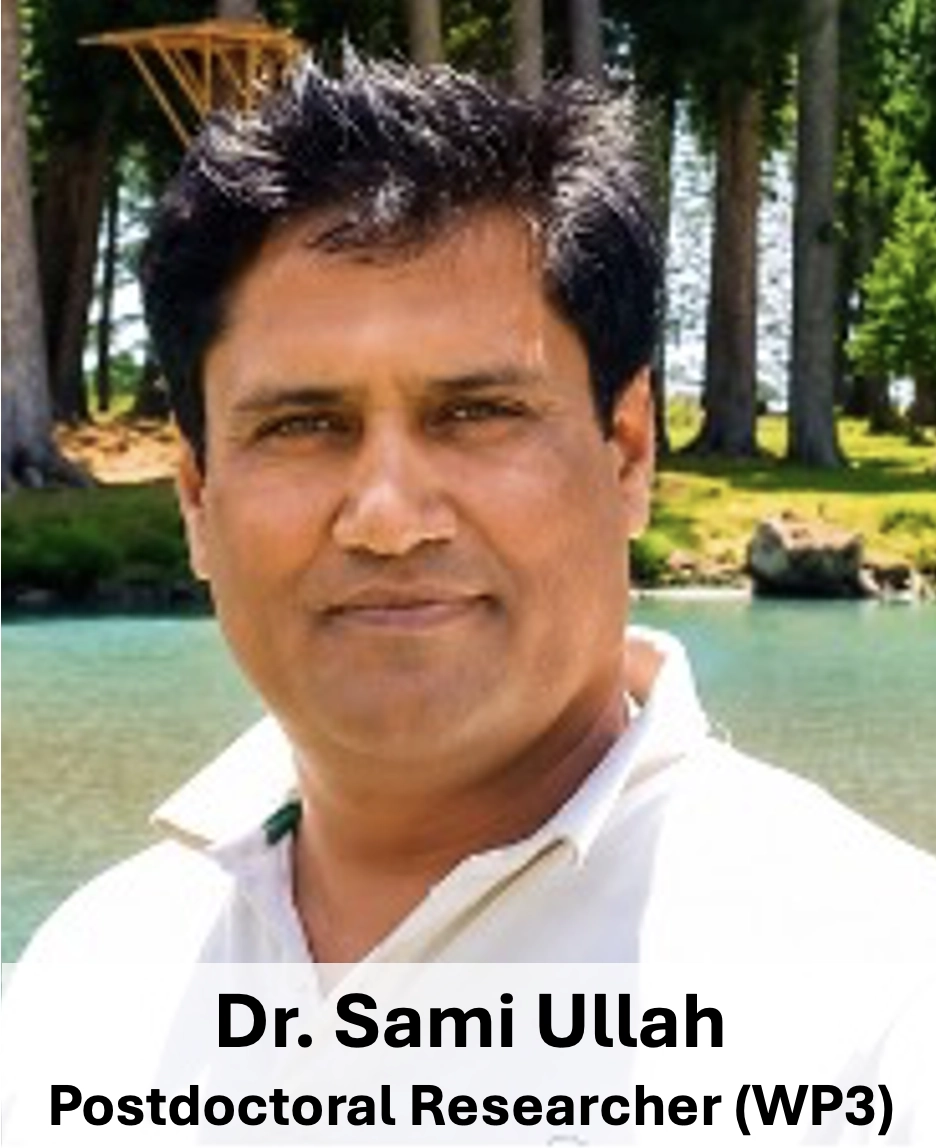
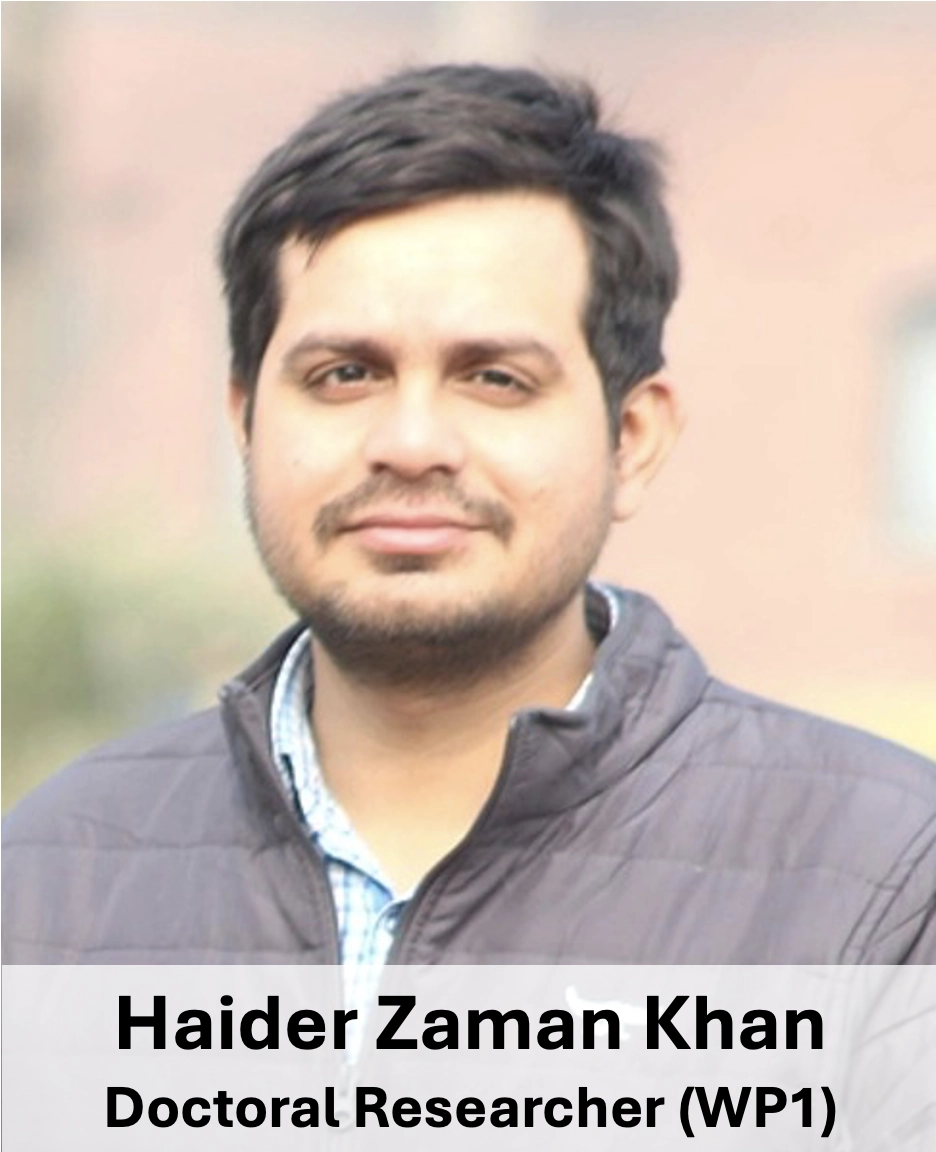
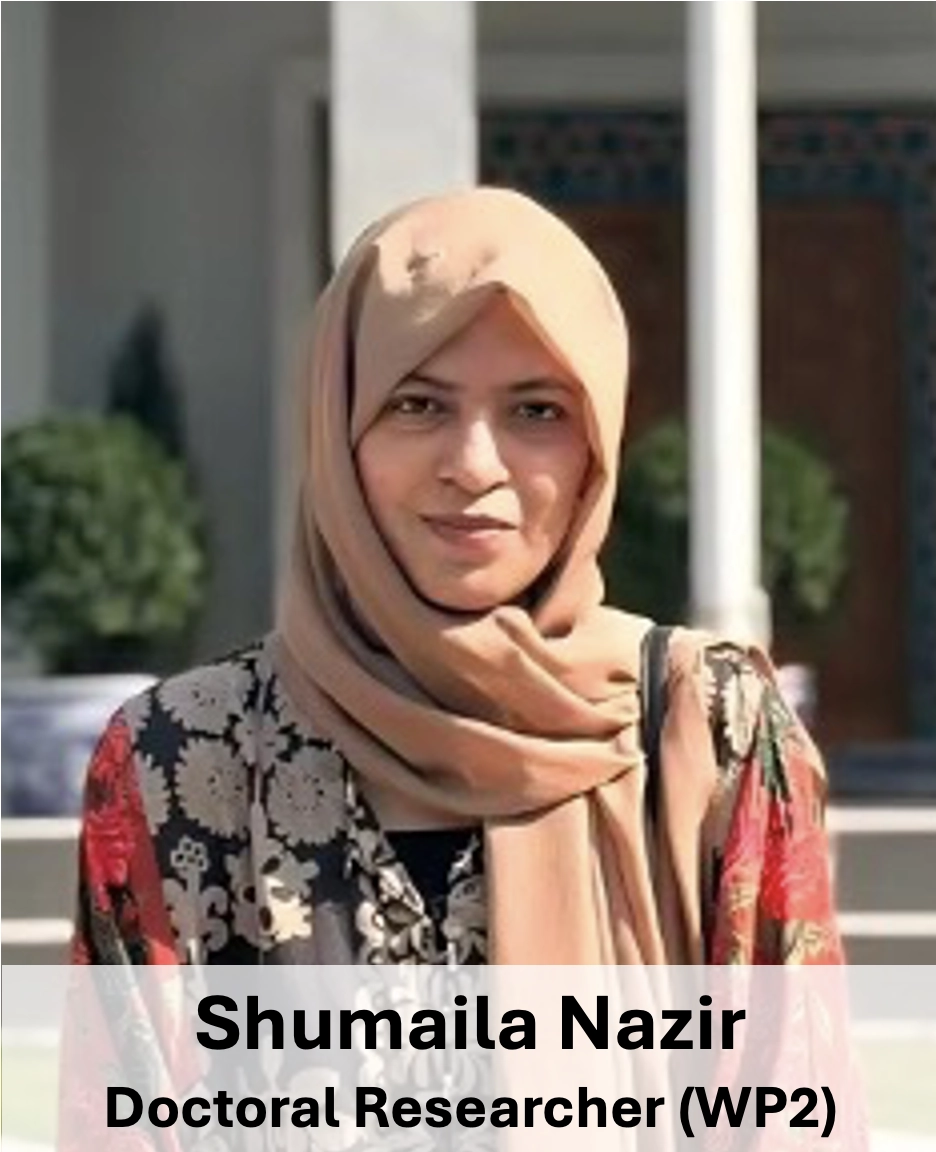
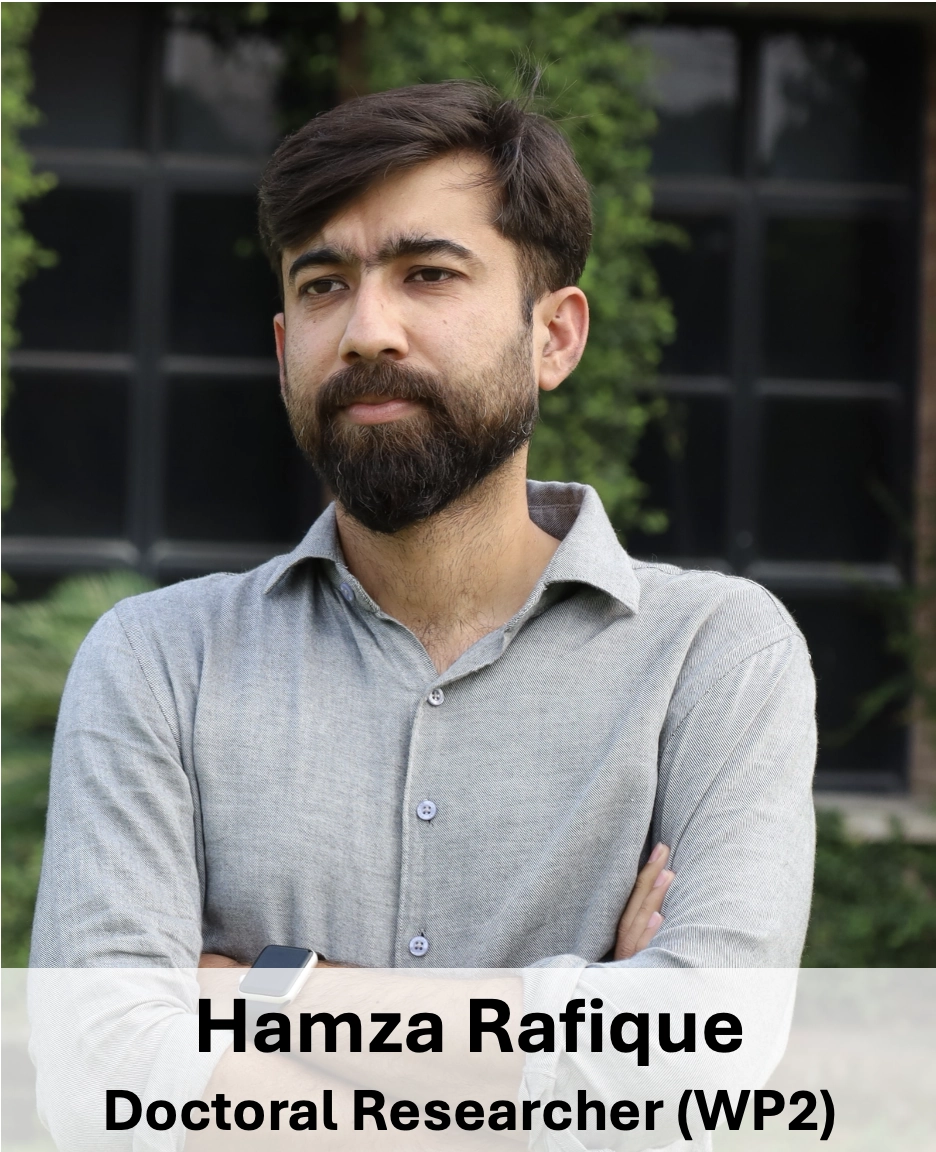



Eberswalde University for Sustainable Development
Department Forest – Wood – Environment
Schwappachweg 3, 16225
Eberswalde, Germany
smallpak@hnee.de